In a world that moves too fast and demands too much, the Japanese have offered something quieter — a philosophy that reveres the worn, the weathered, the beautifully imperfect. They call it wabi-sabi.
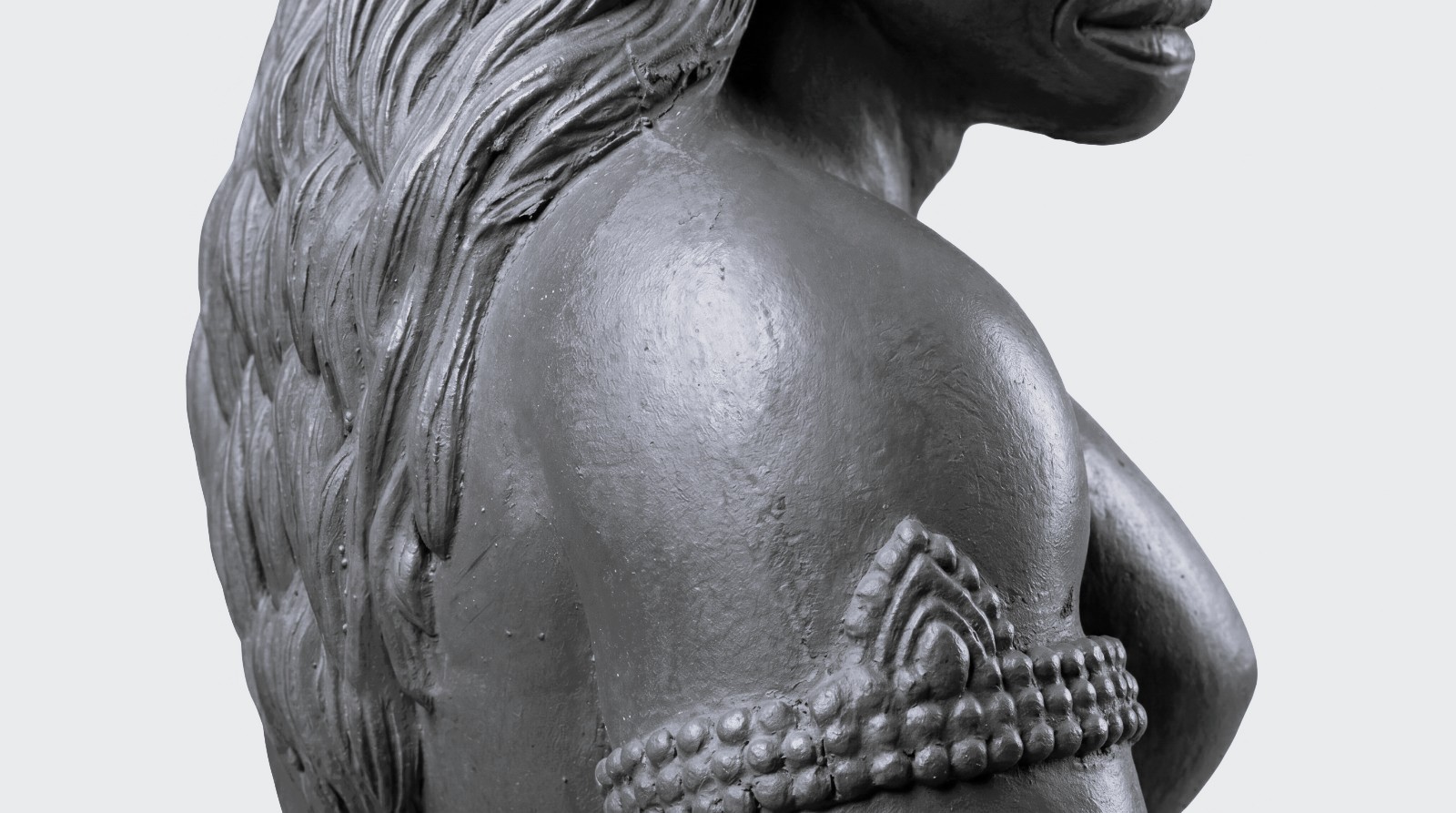
Wabi-sabi is two ideas held in one breath. Wabi describes a kind of rustic simplicity — the quiet melancholy of a single bird in a winter garden, the elegance of a teabowl shaped by an unknown hand. Sabi speaks of the beauty that comes with age — the way time softens edges, deepens colors, and slowly reveals the soul of an object through its patina.
Together, they form a way of seeing that runs counter to nearly everything modern life teaches us. We are taught to chase the new. The shiny. The flawless. Wabi-sabi asks us to slow down. To look at the chip in the cup, the rust on the gate, the lines on a face — and to find them not as flaws to be hidden, but as signatures of a life truly lived.
It is a philosophy that does not shout. It does not declare. It only invites you, gently, to notice. To notice the crack in the bowl that has been mended with gold. To notice the warmth where a thumb has rested for years on the handle of a wooden spoon. To notice the way a temple's wooden beams, after three hundred winters, have grown more beautiful than they ever were when newly cut.
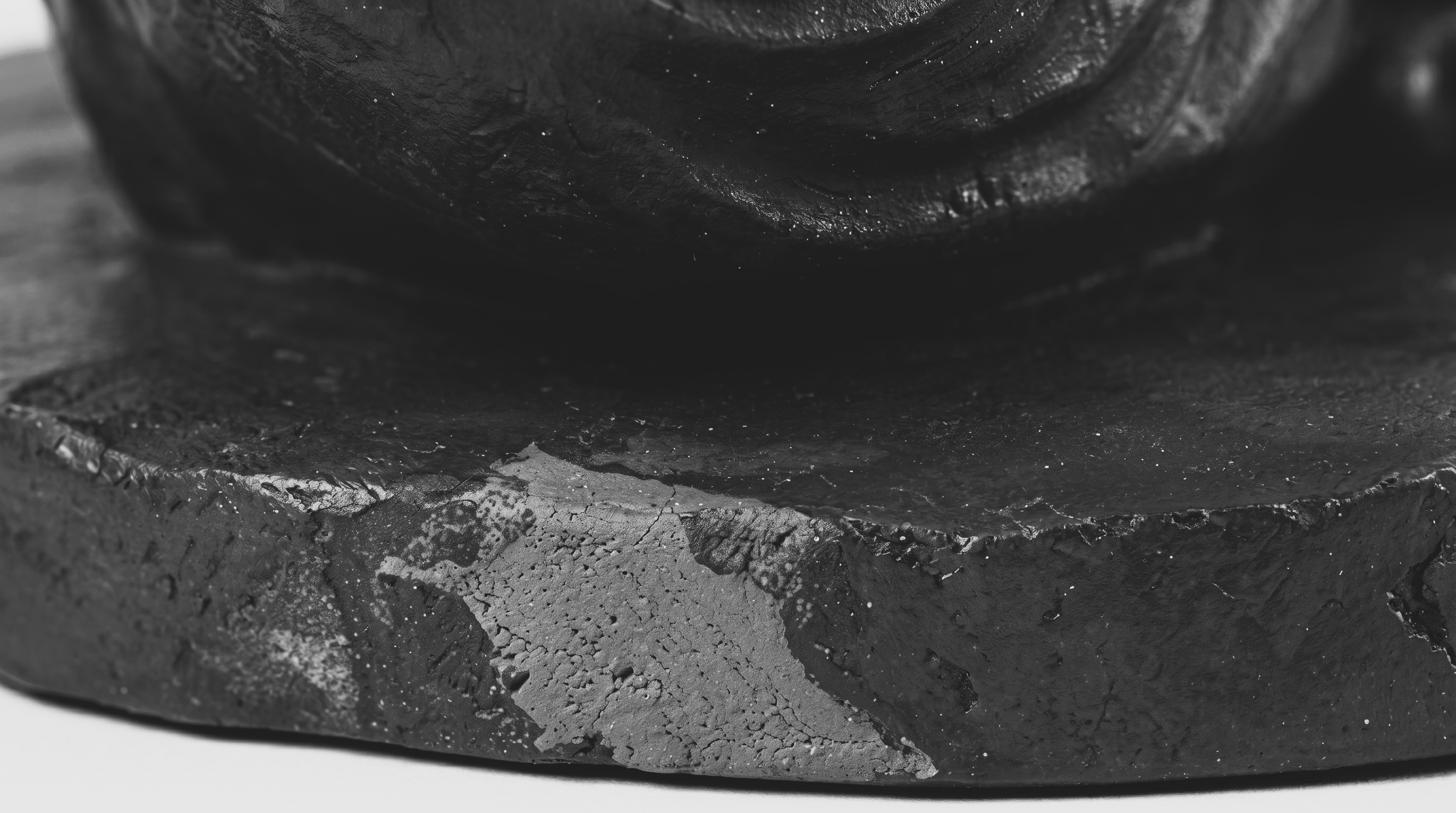
The Philosophy in the Object
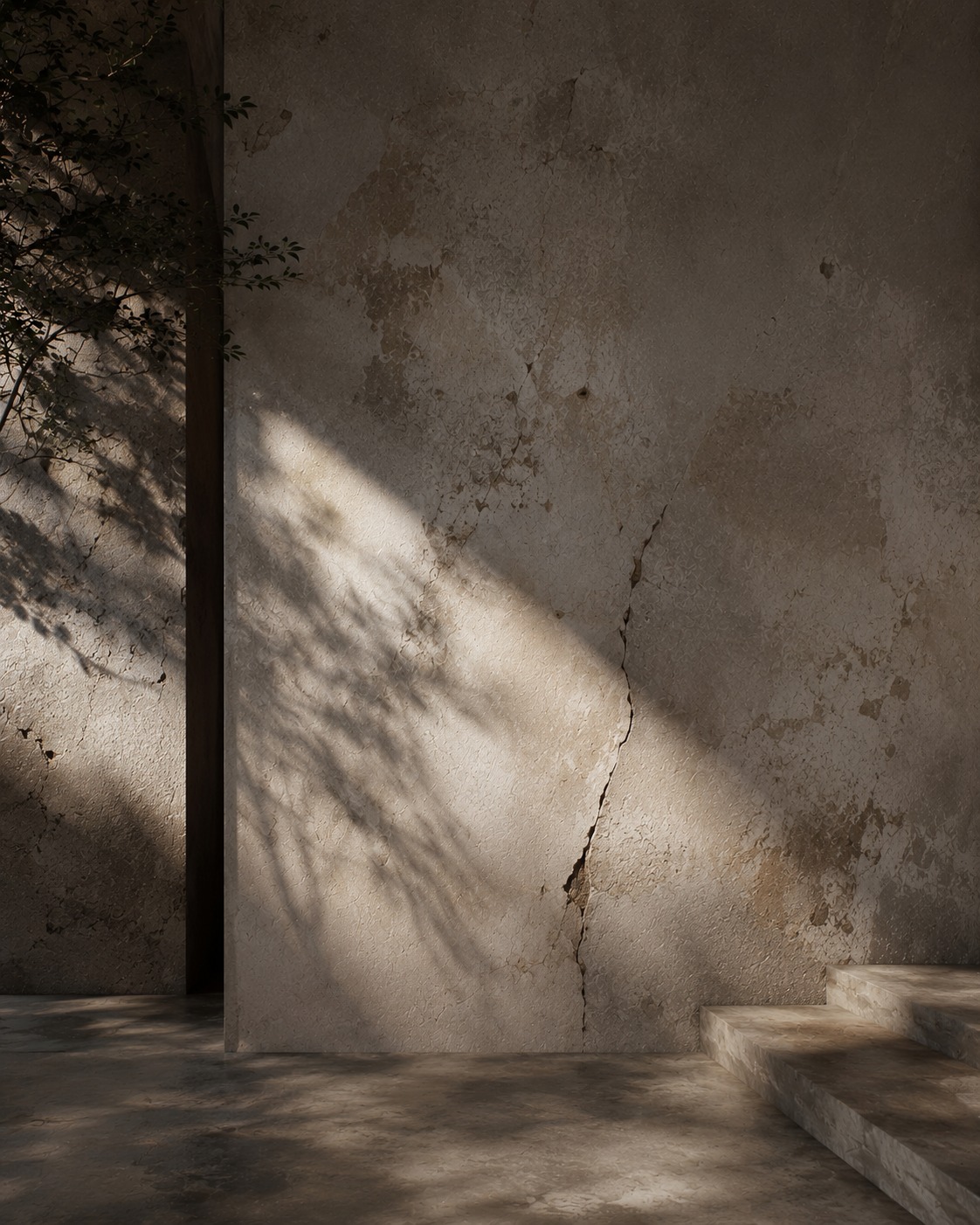
Wabi-sabi is not only an aesthetic — it is a quiet practice for living. It is choosing the well-loved over the brand new. It is leaving the room a little imperfect. It is, when the bowl finally cracks, not throwing it away — but mending it with gold so that the fracture itself becomes the most beautiful thing about it. The Japanese have a name for this too. They call it kintsugi: the golden repair.
To live this way is to make peace with time. With change. With the gentle erosion of all things. It is to look at a grandfather's old leather chair, cracked and faded, and to see not something that needs replacing — but something that has earned its place. Something that has lived. Something that has been, in its own quiet way, blessed by use.